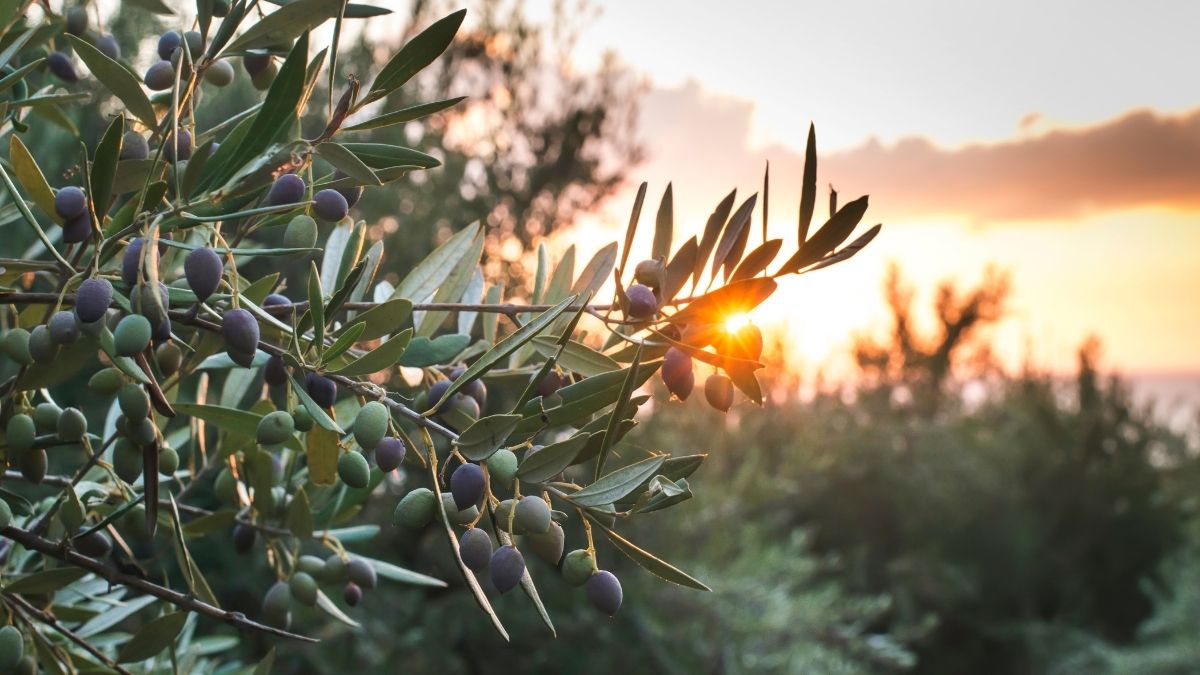
Olive trees look right at home in British gardens, but they need a bit more thought when it comes to pruning. If you're wondering when to prune olive trees in the UK, timing is everything. Prune too early and late frosts can damage fresh cuts. Leave it too late and you risk losing next year's flowers and fruit.
It's not as tricky as it sounds. We'll walk you through the best pruning window, how potted olives differ from planted ones, and the cordless garden tools that make the job quicker and safer.
Why do olive trees need pruning?
Olive trees are slow growers, so they don't need much pruning in their early years. But once established, a regular trim keeps them healthy, shapely, and more likely to fruit.
The main reason is airflow and light. Olives naturally build a dense canopy, and in the UK that can mean damp, shaded growth that takes longer to dry after rain. Opening the centre helps light reach the inner branches and improves airflow, which keeps problems like fungal infections less welcome.
If you're hoping for olives, pruning matters even more. Olive trees fruit on the previous year's growth, so removing some older wood each year encourages the fresh shoots that actually produce fruit. Without pruning, the tree puts energy into dense foliage rather than fruiting branches.
And then there's shape. Left alone, olive trees can become leggy or lopsided. A light prune every year or two keeps things balanced and stops potted trees from outgrowing their space.
Read next: When to prune cherry trees in the UK
When to prune olive trees in the UK
The best time to prune olive trees in the UK is spring, once the worst frosts have passed and the tree is ready to put on new growth. For most of the country, that means April or May. In colder regions, frost pockets, and windy exposed gardens, it’s safer to wait until early June.
Avoid pruning in winter. Olive trees are evergreen, so they don't go fully dormant like deciduous trees. Cuts made in cold, wet conditions stay open longer and are more likely to let in disease. The UK's damp winters are particularly risky for fungal infections and conditions like olive knot.
Pro tip: Before you prune, have a look for any active nesting birds. In the UK, it’s illegal to damage or destroy a nest while it’s in use or being built.
Potted olive trees
Olive trees in pots often grow faster than those in the ground because they're well fed and watered. They may need a second, lighter prune in mid to late summer to keep their size in check and stop them becoming top heavy. Pinch out growing tips once your tree reaches the height you want to encourage bushier growth rather than legginess.
Planted olive trees
Olives planted in the ground are slower growing and need less attention. A single prune in late spring is usually enough. Focus on removing dead or damaged wood, thinning out crowded branches, and letting more light into the centre of the tree. If you're growing for fruit, remember that olives fruit on the previous year's growth, so don't remove all of your newer branches.
For more reading: When to prune apple trees in the UK
How to prune an olive tree
Before you make any cuts, walk around your tree and look at its overall shape. Note any dead, damaged or crossing branches, and think about where light is getting in. The aim is an open, vase or wine glass shape with three to four main branches opening from the trunk.
Start at the base. Remove any suckers growing from the bottom of the trunk or up through the roots. These pull energy away from the main tree and won't produce anything useful. Pull them off or cut as close to the base as possible.
Next, take out the dead wood. Look for brittle, discoloured or damaged branches and cut them back to healthy growth. If you've had a cold winter, check the tips of branches for dieback and trim these back to where you see live wood.
Now open up the centre. Stand at the trunk and look up through the canopy. If you can't see daylight, it's too dense. Remove inward growing branches and any that are crossing or rubbing against each other. This lets air circulate and light reach the inner branches, which reduces disease risk and encourages fruiting.
Finally, shape the outer growth. Trim back any branches that spoil the overall form, cutting to an outward facing bud where possible. Don't go overboard. Olive trees respond badly to hard pruning, so stick to removing no more than 20 to 25 percent of the canopy in any one year.
Use sharp secateurs or loppers depending on the branch thickness, and clean your blades with disinfectant before you start. For higher branches, a cordless pole saw like the EGO PS1000E lets you work from the ground without a ladder, keeping cuts clean and accurate.
Common mistakes to avoid
The most common mistakes when pruning olive trees are pruning too early in spring, removing too much growth at once, and cutting in wet weather.
- Pruning before the frosts have finished. Fresh cuts and cold nights don't mix. In most of the UK, that means waiting until late April or May when the weather has properly settled.
- Taking too much off. We get it, an overgrown tree is frustrating. But olive trees sulk after a hard prune and throw out weak, whippy growth. Keep it to 20 to 25 percent of the canopy and your tree will thank you.
- Choosing a wet day. Fungal spores love damp conditions. Prune when it's dry and your cuts will heal faster with less risk of disease.
- Leaving stumpy cuts. They look bad and heal worse. Always cut back to just above the branch collar for a clean finish that seals quickly.
- Forgetting to clean your secateurs. Olive knot, a bacterial infection, spreads on dirty blades. A quick wipe with disinfectant before you start stops it in its tracks.
Grab your secateurs
Pruning olive trees is straightforward once you know when and how. Late spring is your window, a light touch beats a heavy hand, and clean tools make all the difference. Whether your tree is in a pot on the patio or planted in the ground, the same rules apply.
With the right care, an olive tree will reward you for decades. They're slow growers, but that's part of the charm. A little attention each year keeps them shapely, healthy, and if you're in a warm spot, maybe even productive.
Ready to get started? Wait for the frosts to pass and pick a dry day. A sharp pair of secateurs will handle most jobs, and for higher branches, a cordless pole saw like the EGO PS1000E keeps you safely on the ground with clean, accurate cuts.