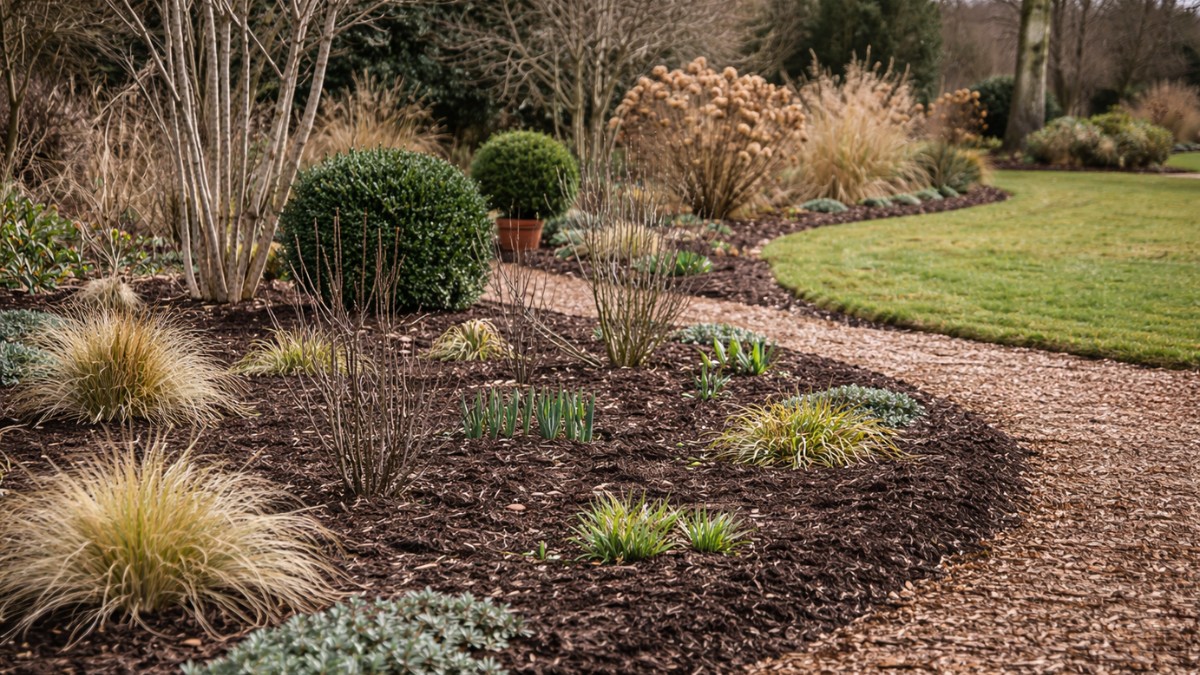
Winter might feel like a quiet time in the garden, but it’s one of the best seasons to get ahead. With most plants dormant, you can prune, tidy, plant, and prep without fighting thick foliage or fast growth. A few smart winter gardening jobs now will set your beds, borders and fruit trees up for stronger, healthier results when spring arrives.
You can use this time to clear out old growth, plant bare root fruit bushes and shrubs, and give your soil a much needed boost. Many of the simplest jobs are easier in winter than at any other point in the year, so a little work now can pay off for months.
Garden jobs you can do in winter (quick answer)
The best winter gardening jobs include pruning dormant trees and shrubs, improving soil, clearing dead material, protecting tender plants, and planting bare root specimens. Winter is ideal for:
- Pruning deciduous trees, shrubs and fruit trees while they are dormant
- Improving soil by adding compost or organic matter when the ground is workable
- Protecting plants by wrapping pots, mulching borders and giving tender plants extra insulation
- Planting bare root trees, hedging, roses and fruit bushes
- Clearing debris, leaves and old stems to reduce pests and disease
Avoid working when soil is waterlogged or frozen, as this can compact the ground and damage soil structure.
Winter gardening jobs (by month)
Winter gardening spans several months, and different tasks suit different stages. December focuses on protection, January on structure, and February on preparation. Here's when to tackle the most important jobs for the best results.
Garden jobs for December
December is about protection and preparation. The main aim is to clear out old growth and safeguard vulnerable plants before colder weather arrives.
Key jobs for December
- Cut back dead or damaged branches so plants can put energy into healthy growth
- Remove leaves, moss and debris from beds, paths and patios
- Add compost or mulch to protect soil and improve structure for spring
- Plant bare root trees, fruit bushes and roses while the soil is workable
- Wrap pots and protect tender plants before the temperature drops further
This is also a good moment to heel in bare root trees and hedging. The soil is still workable, and they will establish roots over winter ready to grow strongly in spring.
Garden jobs for January
January is a productive month for winter gardening, with plants still dormant and conditions often steady enough for outdoor work.
Key jobs for January
- Prune apple trees and pear trees while they’re fully dormant
- Plant bare root hedging, shrubs and fruit bushes so they can settle before spring
- Tidy borders by removing soggy annuals and old stems
- Check and tighten frost covers, ties and supports after winter storms
- Clean paths and patios to reduce algae and improve safety
Using cordless power tools like those in the EGO Power+ range makes winter gardening easier on short days, without the need for extension leads or petrol equipment.
Garden jobs for February
February is the final chance to complete winter tasks before new growth appears.
Key jobs for February
- Finish any remaining dormant pruning before buds start to swell
- Divide snowdrops in the green and replant them through borders
- Start early seed sowing indoors for vegetables and hardy annuals
- Prepare vegetable beds by removing weeds and adding compost
- Clear remaining winter debris so soil can warm when the light returns
February is your last chance to reshape overgrown climbers and shrubs before growth kicks in.
How to tackle winter garden jobs
Once you know what needs doing, you can approach winter gardening with a simple, clear plan.
1. Start with a winter garden audit
Walk your garden with a notebook and assess what needs attention:
- Which plants look unhealthy, overgrown, or damaged?
- Are there weeds taking hold that'll be harder to shift in spring?
- What's cluttering paths, borders, or storage areas?
- Do fences, supports, or structures need repair?
This 15-minute exercise gives you a clear action plan and stops you wasting time on jobs that don't matter.
2. Clear debris and dead material
Remove fallen leaves, dead stems, and spent annuals. These harbour pests and disease over winter. Compost healthy material, but bin anything diseased or full of weed seeds.
Leave some seed heads and hollow stems if you want to support wildlife, but don't let your garden turn into a dumping ground.
3. Improve your soil
Winter is the best time to dig in organic matter. Compost, well-rotted manure, or leaf mould all improve structure, drainage, and fertility.
Spread a 5-10cm layer over empty beds and either dig in or leave on the surface for worms to incorporate. Heavy clay benefits most - winter frosts break down clods into crumbly, workable soil by spring.
4. Prune dormant plants
Deciduous trees, shrubs, and climbers are easier to shape when you can see their structure. Remove dead, diseased, or crossing branches first, then reshape as needed.
Cut just above an outward-facing bud to encourage open, healthy growth. Using sharp, clean tools, like the EGO cordless pole saw, encourages fast healing and reduces infection risk.
5. Protect what needs it
Not everything needs wrapping, but tender plants, containers, and borderline-hardy specimens appreciate extra insulation:
- Wrap pots in fleece or bubble wrap
- Mulch crowns of tree ferns, bananas, and agapanthus
- Move citrus, olives, and succulents into a frost-free space
- Cover early-flowering camellias if hard frost threatens
6. Service your tools
Clean, sharpen, and oil all cutting tools. Replace worn parts, charge batteries, and store everything properly. Well-maintained equipment works better, lasts longer, and makes every job easier.
Winter gardening tips & mistakes to avoid
Even experienced gardeners slip up with winter jobs. Avoid these common mistakes and you'll save time, protect your plants, and get better results.
- Don't work wet or frozen soil. You'll compact the ground and undo months of structure-building. Wait for dry, workable conditions.
- Avoid over-tidying. Some mess supports wildlife - leave a few log piles, seed heads, and dense shrubs for shelter through the coldest months.
- Don't prune spring-flowering shrubs in winter. Forsythia, magnolia, and flowering currant bloom on old wood. Cut them now and you'll remove this spring's flowers. Prune after flowering instead.
- Keep cuts clean. Sharp, disinfected tools heal faster and stop disease spreading. Blunt blades tear wood rather than slicing cleanly, creating wounds that invite infection.
- Work with purpose. Know whether you're protecting, improving, or reshaping before you start. It changes your approach entirely and stops you wasting effort.
- Use the right tools for the job. Sharp secateurs for small stems, a pole saw for reaching height safely, and cordless power tools to avoid trailing cables through wet grass. It's safer, quieter, and far more convenient.
- Dress for the weather. Layers, waterproofs, and decent gloves make winter work far more pleasant. Cold, wet hands will have you heading indoors within minutes!
Follow these rules and winter gardening becomes straightforward. Ignore them and you'll be dealing with compacted soil, damaged plants, and extra work come spring.
Read next: Winter lawn care mistakes to avoid
Get your garden ready for spring
Winter is one of the easiest times to get ahead in the garden. A few well-timed jobs now will set your beds, borders and fruit trees up for a strong start when the weather warms. With sharp, reliable tools and a little planning, even cold days become productive ones.
Cordless pole saws and EGO Power+ blowers will help you work safely and comfortably through winter without cables or petrol. Tidy what needs tidying, protect what needs protecting, and your garden will thank you in spring.