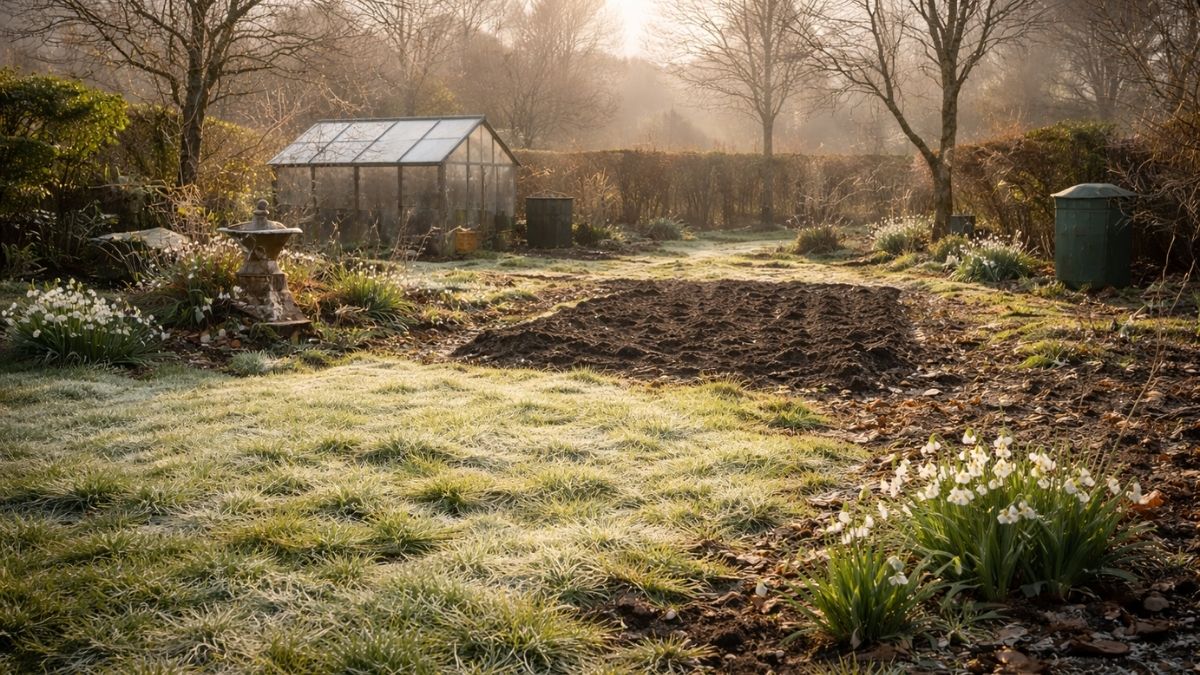
February is your last chance to tackle dormant-season jobs before spring arrives. The main tasks are pruning fruit trees and roses, preparing beds, planting shallots and early potatoes, and starting seeds under cover.
It might not feel like gardening weather. February can be wet, frosty, and unpredictable, but that's exactly why this month matters. Get ahead now, and you'll be rewarded with earlier crops, healthier plants, and a garden that hits the ground running come March.
In this guide, you'll find out which jobs to prioritise, what to plant and sow, and how to make the most of the short days and changeable weather.
February Garden Jobs: Quick Overview
If you’re wondering what to do in the garden in February, this is the month for quiet but important jobs. Here are the key garden jobs to focus on in the UK.
- Prune fruit trees and roses. Tidy up apple trees, pears and roses while they’re still dormant, removing dead, damaged or crossing growth.
- Shape shrubs and hedges (where safe). Lightly trim deciduous shrubs and tidy hedges before birds start nesting.
- Prepare beds and borders. Clear dead growth and weeds, add compost or well-rotted manure, and lightly fork over soil if it’s not waterlogged.
- Plant hardy crops. Get shallots, garlic and early potatoes started in the ground or in containers, weather permitting.
- Plant bulbs still suitable for February. In milder areas, finish off any last spring bulbs and start thinking ahead to summer-flowering varieties.
- Start seeds under cover. Sow hardy veg and flowers in trays or modules indoors, in a greenhouse, or under a cold frame.
- Give the lawn a once-over. Rake up leaves and debris, avoid walking on frozen or waterlogged grass, and note any bare patches to repair in spring.
These are the jobs that make the biggest difference now. The rest of this guide breaks down exactly how to tackle each one
What to Plant in February
February is ideal for planting shallots, garlic, early potatoes, broad beans, and bare-root fruit trees and roses, as long as the soil isn’t frozen or waterlogged. The ground is cool but workable, and planting now gives everything a strong, early-season start.
Vegetables to Plant in February
You can plant a few reliable staples this month, especially in milder areas or if you’re using raised beds and containers that warm up faster.
- Shallots. One of the best crops to plant early. Set them 15–20cm apart in well-drained soil.
- Garlic. Still fine to plant now if the ground drains well. Hardneck varieties cope best with cold snaps.
- Early potatoes. Start them in bags or containers and keep them sheltered until shoots appear.
- Broad beans. Sow outdoors in mild regions or start under cover for sturdier plants in spring.
- Onions (sets). Can go in now if the soil isn’t frozen. Avoid planting in cold, wet beds.
These vegetables enjoy a head start and often crop earlier than spring plantings.
Bulbs to Plant in February
There aren’t many spring bulbs left to plant in February, but you can still get a few jobs done in mild spells.
- Summer-flowering bulbs such as dahlias, begonias and gladioli can be started in pots under cover now, ready to plant out after the last frost.
- Late tulips can still go in if you missed autumn. They may flower later, but they’ll settle in well for next year.
- Lilies are often available in garden centres now and can be planted straight into borders or large pots. Add grit to improve drainage if your soil is heavy.
If the ground is frozen or sitting in water, wait for a dry spell. Bulbs and sets rot easily in cold, soggy soil.
Pro tip: When in doubt, choose containers. They warm up faster, drain better, and give bulbs a strong start in an unpredictable month.
What to Sow Indoors & Under Cover
February is the time to start seeds indoors for crops that need a long growing season or a head start before the last frost. Sowing now means stronger plants, earlier harvests, and more productive use of your growing space once spring arrives.
Tomatoes should be sown in modules or small pots on a windowsill or in a heated greenhouse. They need warmth to germinate - around 18-21°C - so a propagator or warm spot indoors works best. Sow tomatoes towards the end of February if you're growing in a greenhouse, or wait until early March for outdoor varieties.
Chillies and peppers need an even longer season. Get them started as early in the month as you can. Like tomatoes, they need warmth and light to germinate and grow on. A sunny windowsill or heated propagator will give them the best chance.
Summer bedding plants like sweet peas, antirrhinums, and hardy annuals can be sown under cover now. Sweet peas in particular benefit from an early start. Sow them in deep pots or root trainers to give their long roots plenty of space.
Salad leaves and microgreens are quick, easy wins if you want something to harvest sooner. Sow them in trays or shallow containers on a windowsill, and you'll have fresh leaves in a few weeks. Varieties like rocket, mustard, and lettuce all do well with minimal fuss.
Broad beans and peas can also be started in pots or guttering if your soil is still too wet to work. Once they've germinated and the weather improves, slide them out into prepared trenches in the garden without disturbing the roots.
Use fresh compost, label everything clearly, and keep an eye on watering. Seeds need moisture to germinate, but too much and they'll rot. A bright spot and steady warmth will give you strong, healthy seedlings ready to plant out in spring.
Pruning & Maintenance Tasks
February is the last chance to prune many trees and shrubs before they come out of dormancy. Once the sap starts rising and buds begin to swell, you've missed the window - so if pruning is on your list, now's the time to get it done.
Fruit Trees
Apple and pear trees should be pruned in late winter while they're still dormant. Remove any dead, damaged, or diseased wood first, then thin out crowded branches to let light and air into the canopy. This encourages stronger growth and better fruiting later in the year.
For a full guide on timing and technique, see our article on when to prune apple trees in the UK.
Roses
Roses benefit from a good tidy-up in February. Cut back hybrid teas and floribundas to about 20-30cm above ground level, removing weak or crossing stems. Climbing and rambling roses need lighter treatment. Just take out old, unproductive wood and shorten side shoots.
Clean cuts with sharp tools help the plant heal faster and reduce the risk of disease.
Wisteria & Summer-Flowering Shrubs
Wisteria gets its winter prune now if you didn't do it in January. Cut back the long whippy shoots you shortened in summer to just two or three buds from the main framework. This encourages more flower buds for spring.
Summer-flowering shrubs like buddleia, hardy fuchsias, and late-flowering clematis can be cut back hard in February. They flower on new growth, so a strong prune now means more blooms later.
Important: Don't touch spring-flowering shrubs like forsythia or lilac. Prune those after they've flowered, or you'll lose this year's display.
Tool Maintenance
Tool maintenance is just as important as the pruning itself. Sharpen secateurs, pole saws, and loppers so they make clean cuts rather than crushing stems. Wipe blades down with disinfectant between plants to stop spreading disease, and charge up cordless garden tools (like the EGO Power+ range) so they're ready when you need them.
A well-maintained pruner makes the job quicker, safer, and far less tiring. If you're working at height, a cordless pole saw gives you reach and control without needing a ladder. The EGO PS1000E, for example, extends your range safely and makes those awkward overhead cuts much easier to manage.
Lawn Care & General Garden Jobs
February isn't peak lawn season, but there are a few jobs worth doing now - especially if you get a dry, mild spell.
First Mow of the Year
If the grass has started growing and the ground is firm enough to walk on without leaving footprints, you can give the lawn its first light trim. Set the mower high - just take the tops off to tidy things up. Avoid mowing if the ground is frozen, waterlogged, or very soft, as you'll do more harm than good.
An EGO Power+ cordless mower makes this job quick and quiet, with no need to drag out extension leads or deal with petrol fumes in cold weather.
Read next: How to do your first mow of the year
Clear Debris and Moss
Rake up any leaves, twigs, and debris left over from winter. This lets light reach the grass and reduces the risk of bare patches and disease. If moss has taken over during the wet months, apply a moss killer now and rake it out once it's died back. February is a good time to tackle this before the grass starts growing strongly.
Repair Bare Patches
Note any thin or bare areas, but don't reseed yet. Wait until March or April when the soil is warmer and grass seed will germinate more reliably. You can lightly scarify and aerate problem areas now to prep them for spring repairs.
You may also like: When and how to reseed your lawn
Other February Jobs
Beyond the lawn, there are a few smaller tasks that make a big difference.
- Feed the birds. Natural food is still scarce in February, so keep feeders topped up and water sources ice-free.
- Check greenhouses and polytunnels. Ventilate on sunny days to prevent mould and disease, and give glass or plastic a clean to maximise light.
- Force rhubarb. Cover crowns with a bucket or forcing pot to encourage early, tender stems.
- Tidy ponds. Remove any dead leaves and debris, and check that pond heaters or aerators are working if you have fish.
These jobs don't take long, but they keep your garden ticking over and set you up for a stronger start to spring.
Preparing Your Garden for Spring
February might feel like a quiet month in the garden, but the work you do now makes all the difference once March arrives. Get these jobs done, and you'll have healthier plants, earlier crops, and far less to catch up on when things get busy.
The key is working with the weather, not against it. If the ground is frozen or waterlogged, focus on indoor sowing, tool maintenance, and pruning. Save the soil work for a dry day when beds are workable.
Clear any lingering weeds, add compost or well-rotted manure to beds, and plan your crop rotation if you're growing vegetables. Sharp, charged tools make every job quicker and easier - especially cordless tools like the EGO Power+ range, which gives you the power and reach you need without the hassle of petrol or trailing cables in cold, wet conditions.
February sets the tone for the rest of the growing season. Do the prep now, and your garden will reward you with stronger growth and bigger harvests all year long.
Ready to tackle your February garden jobs? Explore the EGO Power+ range of cordless garden tools here.